Is Chiropractic For Everyone?
Is Chiropractic for Everyone?

Why People Wait Too Long to Find Out
If you’ve never been to a chiropractor, you’ve probably wondered: is chiropractic for everyone, or is it just for people with bad backs and sports injuries? It’s a fair question, and the honest answer is that chiropractic care benefits a much wider range of people than most folks realize. From newborns to grandparents, athletes to office workers, chiropractic has something to offer almost anyone dealing with pain, tension, or a body that just isn’t functioning the way it should.
That said, chiropractic isn’t for people who only want their symptoms masked. If all you’re looking for is a way to suppress your pain, pharmaceuticals can do that. Chiropractic works differently, and understanding that difference is the key to understanding who it’s really for.
What Chiropractic Actually Does
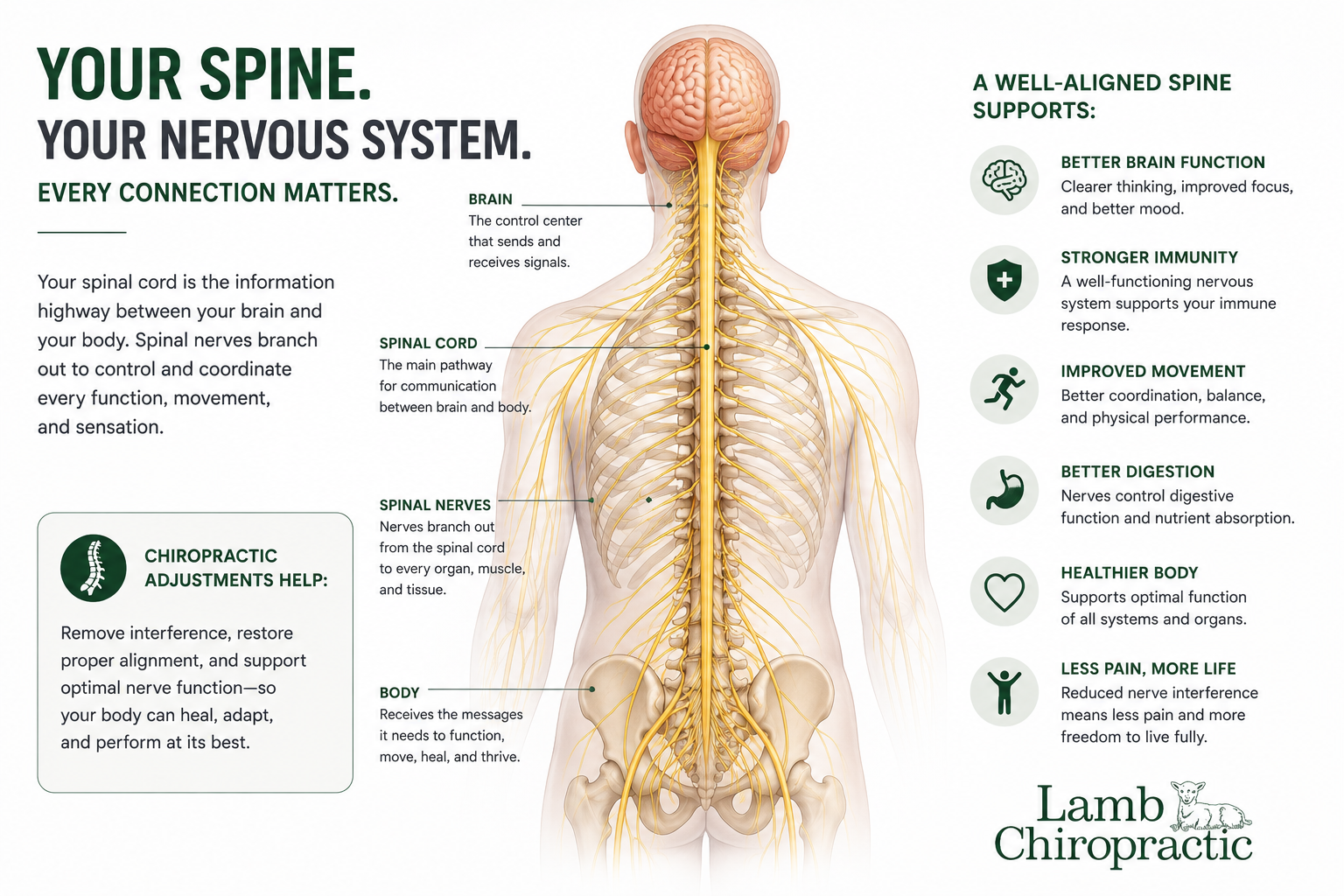
Chiropractic is a safe, drug-free approach to helping people manage aches, pains, and a surprising number of other health issues. At its core is chiropractic manipulative therapy, used to correct misalignments — often called subluxations — in the spine and joints. These misalignments can interfere with the nerves responsible for carrying messages between your brain and the rest of your body. When that communication gets disrupted, the result is often pain, dysfunction, or a general sense that something is “off.”
Think of it this way: if the check engine light in your car started flashing, would you just put a piece of tape over it, or would you take the car to a mechanic to find out what’s actually wrong? Most people would choose the diagnostic checkup. Chiropractors approach the body the same way. Instead of covering up the warning light — the pain — they look for the underlying misalignment, correct it, and then let the body’s own remarkable healing ability take over.
Not a One-Size-Fits-All Technique
One thing that surprises new patients is how many different approaches exist within chiropractic. Most chiropractors use a hands-on method to correct misalignments, but there are dozens of distinct techniques, and the field continues to evolve. Chiropractors often blend multiple methods, drawing on the art, science, and philosophy of the profession to tailor care to each individual. This variety is part of why chiropractic works for such a broad range of people — there’s no single “chiropractic adjustment,” there’s a whole toolkit, and a good chiropractor knows how to match the approach to the patient.
Adjustments Are Only Part of the Picture
Here’s something worth being upfront about: just going to the chiropractor won’t fix everything on its own. When you’re given exercises, stretches, or other recommendations between visits, those aren’t optional extras — they’re often essential for maintaining and extending the effectiveness of your adjustments. If you go right back to the habits and movement patterns that contributed to the problem in the first place, the benefits of your adjustment won’t last nearly as long as they would with consistent follow-up care. Chiropractic works best as a partnership between what happens in the office and what happens the rest of the week.
Who Actually Benefits
So who can benefit from chiropractic care? Athletes looking to improve performance and recover faster. Children whose growing bodies benefit from proper alignment. Pregnant moms navigating the physical changes of pregnancy. Musicians who spend hours in repetitive postures. Office workers hunched over keyboards all day. And plenty of people in between. The honest answer to “is chiropractic for everyone” is very close to yes.
The human body is an intricate system: 206 bones, roughly 650 muscles, and 43 pairs of nerves branching from the brain and spinal cord to reach every part of the body. Chiropractors are trained to work with all of it, moving bones and muscles to support proper nerve flow throughout the entire system. That’s why the benefits of chiropractic often extend well beyond the reason someone first walked through the door.
In fact, it’s common for patients to come in because of a specific pain and then report improvements in areas they didn’t expect — better sleep, more energy throughout the day, even a noticeable improvement in their golf swing. The initial pain is often what gets people in the door, but it’s these broader improvements in how the body functions that keep them coming back, and it’s a big part of why chiropractic works for such a diverse range of patients.
A Team Approach to Your Health
Chiropractors study physical therapy principles and share many techniques with that field. We’re also frequently the first point of contact for people who are hesitant to see a medical doctor, and we take that responsibility seriously. Chiropractors are trained in diagnosis, and just as importantly, trained to know when to refer out — whether that means ordering diagnostic imaging like X-ray, MRI, or ultrasound, running nerve testing, or connecting a patient with another specialist, including medical doctors.
To be clear, this isn’t an anti-medicine, anti-surgery, or anti-vaccine philosophy. It’s a belief in giving the body a genuine opportunity to use its innate healing ability first, before reaching for more invasive options. With a background in nutrition, many chiropractors — myself included — also incorporate recommendations that support the body’s healing process from the inside out, not just through adjustments alone. This whole-person approach is another reason chiropractic is such a good fit for such a wide variety of people and health goals.
Finding Out for Yourself
If you’ve been on the fence, the best way to know whether chiropractic is right for you is to experience it firsthand. Whether you’re dealing with a specific pain point or simply want to support your body’s overall function, a conversation with a chiropractor can help you understand what’s possible — and answer the question of whether chiropractic is for everyone in your own words, not just ours. Research on spinal manipulation continues to build a strong case for its role in back pain care — a large clinical trial found that spinal manipulation, whether alone or combined with supported self-management, contributed to meaningful improvements in pain and disability over a year of follow-up (according to research)
Frequently Asked Questions
Is chiropractic safe for people of all ages?
Yes. Chiropractic care is used with patients ranging from newborns to elderly adults, with techniques adjusted appropriately for each stage of life.
Do I need to have back pain to see a chiropractor?
No. While back and neck pain are common reasons people seek chiropractic care, many patients come in for other musculoskeletal issues, or simply to support overall nervous system function and well-being.
Will one adjustment fix my problem?
Usually not on its own. Lasting results typically come from a combination of adjustments and follow-up care, such as exercises and stretches recommended by your chiropractor.
Can chiropractic work alongside medical treatment?
Yes. Chiropractors often work as part of a broader healthcare team, referring patients to medical doctors or specialists when needed and collaborating on overall care.
How do I know if chiropractic is right for me?
The best way is to schedule a consultation and discuss your specific health goals and concerns directly with a chiropractor.
Schedule Here: https://lamb-chiropractic.square.site/s/appointments
Medical Disclaimer: This article is for informational purposes only and is not intended as medical advice. Always consult a qualified healthcare provider regarding any health concerns or before beginning a new treatment plan.
Email lambchiro@gmail.com
IG @lambchiro FB lambchiropractic