
Chiropractic Care for Headaches: Natural Relief Without Medication

Headaches interrupt work, sleep, and everyday life for millions of people. Many reach for over-the-counter pills as their first response. However, medication only masks the pain temporarily. It does not address why the headache started in the first place. That is where chiropractic care for headaches offers a different path forward.
Because chiropractic care focuses on the root cause rather than the symptom, it often provides longer-lasting relief. This approach combines hands-on treatment with natural, at-home strategies. Together, they help the body heal instead of simply numbing the pain.
A Personal Story: Why I Believe in Natural Headache Relief
After a childhood accident at age 13, I experienced daily migraine headaches that felt impossible to relieve. Even then, I sensed that relying on drugs was not the real answer. So, I visited a chiropractor for the first time.
During that visit, I learned about the brain-body connection. I discovered how even a minor spinal misalignment can disrupt normal function and trigger symptoms throughout the body. After just two adjustments, my headaches resolved completely.
That experience shaped how I practice today. It is also why I built my career around chiropractic care for headaches. I focus on stress-related conditions first, rather than reaching for medication.
The Physical, Emotional, and Chemical Stress Connection
Headaches rarely come from just one cause. Instead, they usually result from a medley of physical, emotional, and chemical stress working together on the body.
Physical stress might include poor posture or muscular tension in the neck and upper back. Emotional stress adds tension through the nervous system. Meanwhile, chemical stress can come from dehydration, poor diet, or environmental toxins.
Because these three types of stress interact, treating only one rarely solves the problem. Chiropractic care for headaches addresses the physical component directly. Additionally, it often improves the body’s ability to manage emotional and chemical stress as well.
How Chiropractic Care for Headaches Works
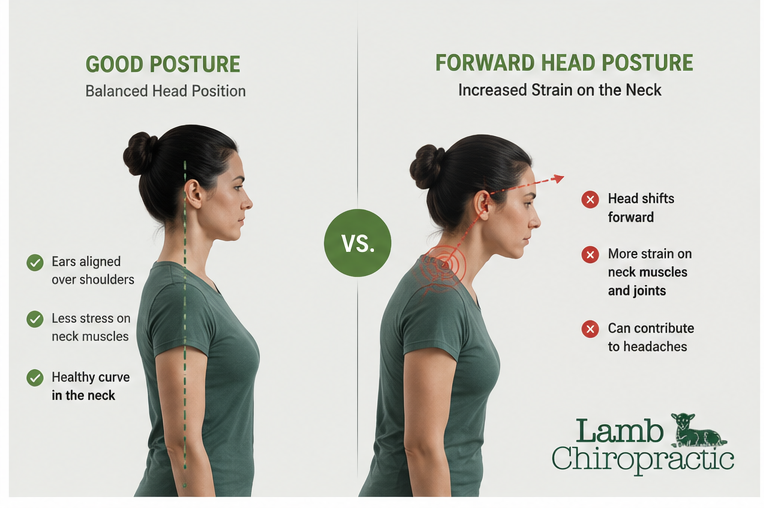
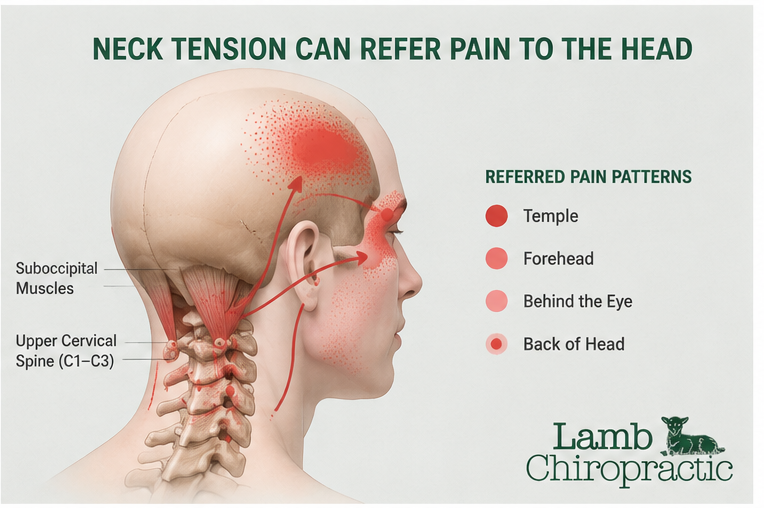
Most tension-related headaches trace back to the upper back and neck. Specifically, tight muscles in this region can restrict normal blood flow to the brain. As a result, that restricted flow often shows up as head pain.
Upper Thoracic and Rib Adjusting
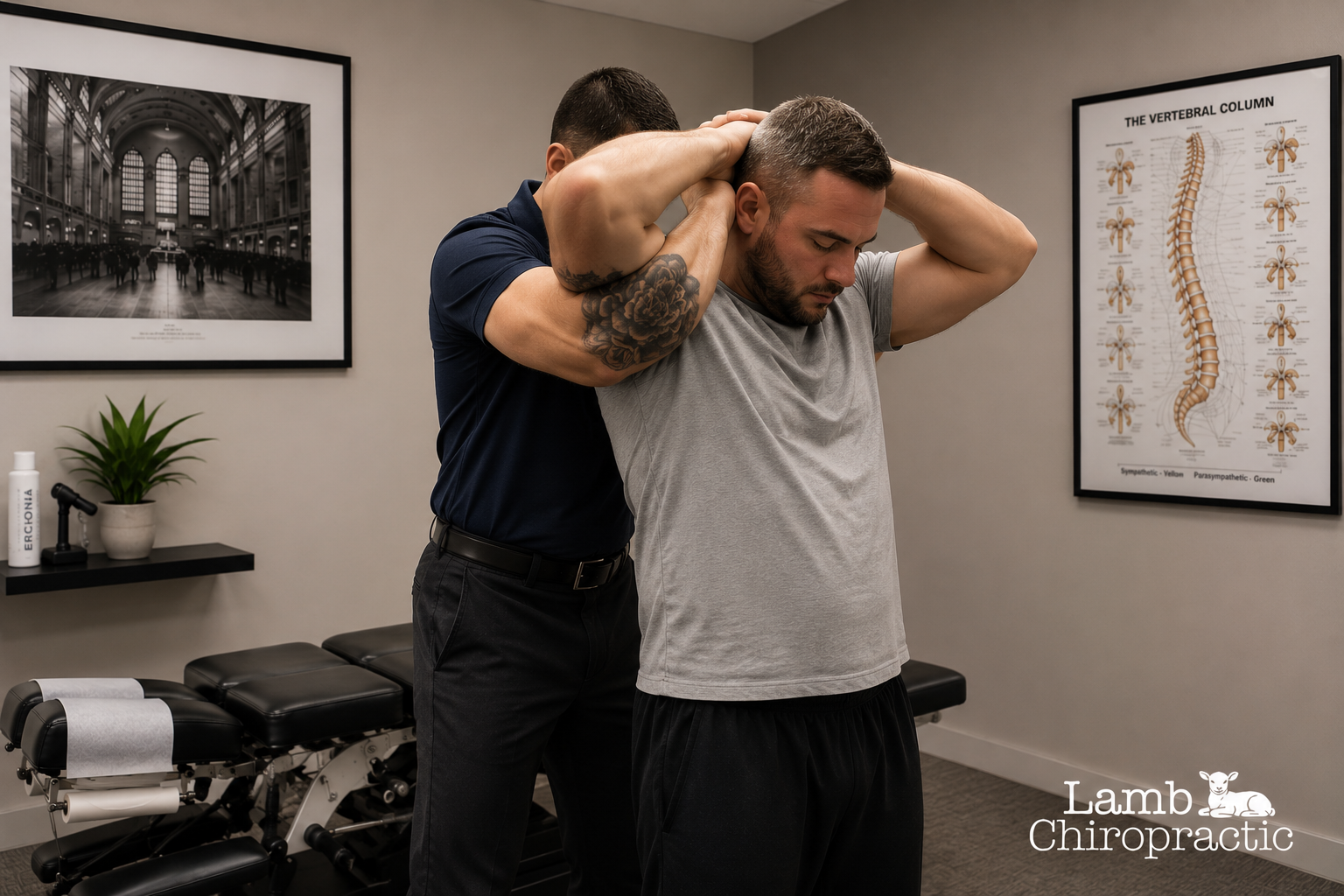
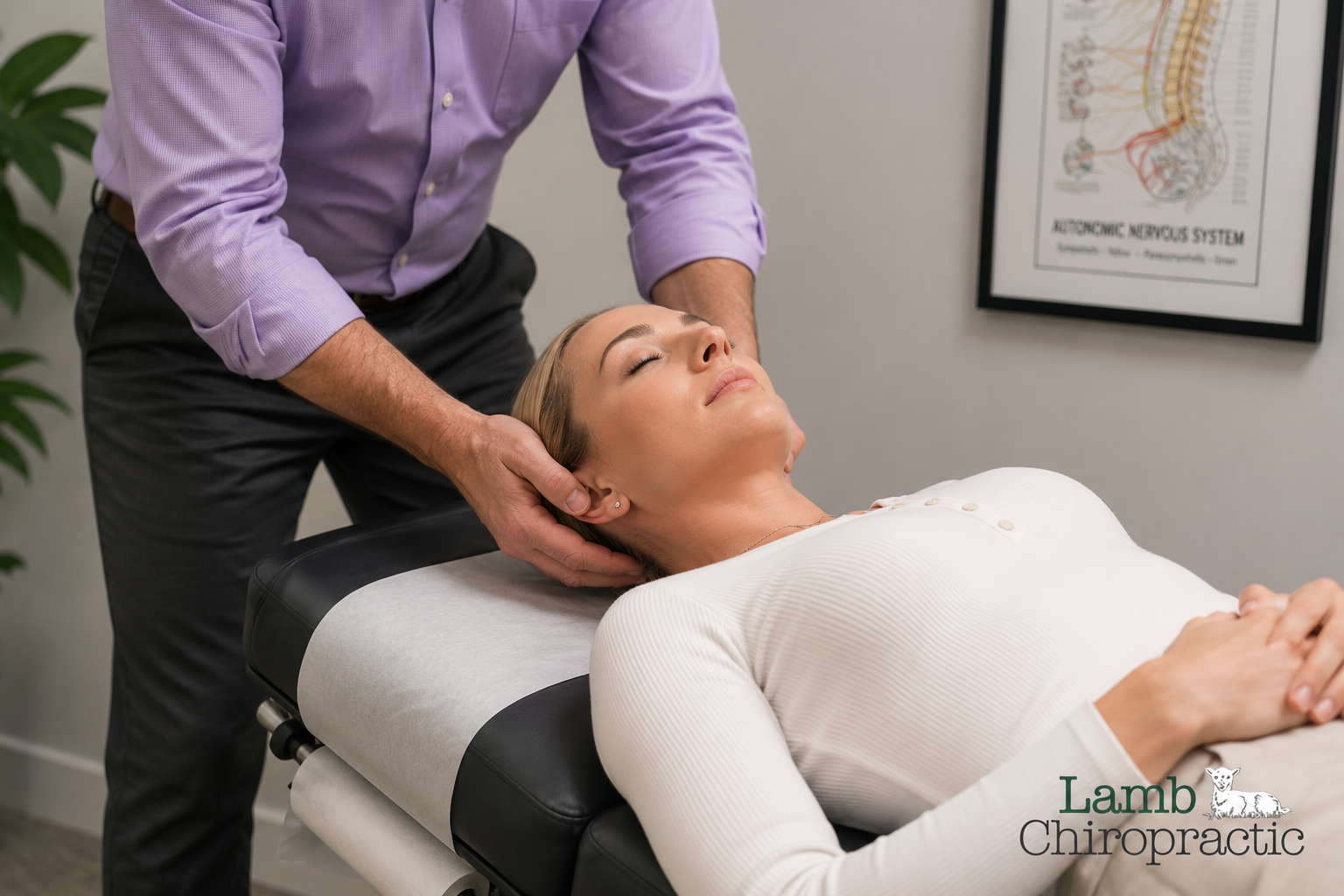
During a chiropractic visit for headache relief, I typically focus on the upper thoracic spine and rib joints. Adjusting this area helps release built-up tension. Consequently, patients often notice improved mobility right away.
Pec Stretching for Better Blood Flow
Alongside spinal adjustments, stretching the pectoral muscles plays an important role. Tight chest muscles pull the shoulders forward, which worsens upper back tension. Therefore, opening the chest through targeted stretches helps increase oxygen-rich blood flow to the brain. Many patients feel noticeably lighter after this combination of adjusting and stretching.
Natural Remedies for Headache Relief
Chiropractic adjustments work best alongside natural, at-home strategies. Below are the remedies I most often recommend to my practice members.
Magnesium for Muscle Tension
Magnesium plays a vital role in dozens of bodily functions, including muscle relaxation. In particular, magnesium citrate and magnesium glycinate seem to have the strongest effect on relieving muscular tension linked to headaches.
Magnesium supports so many systems in the body. Because of this, I usually recommend a supplement that combines several magnesium salts, rather than just one form. In my office, I use and recommend Alka Calm from Professional Formulas for this reason.
Natural Anti-Inflammatories
Inflammation often contributes to headache frequency and severity. As a natural alternative to over-the-counter anti-inflammatories, I often suggest Enflamen from Patient One. This formula combines turmeric, ginger, boswellia, and omega-3 fatty acids. Together, these ingredients support the body’s natural inflammatory response without the side effects associated with medication.
Hydration and Sleep Posture
Dehydration is one of the most overlooked headache triggers. Drinking enough water throughout the day supports healthy blood flow and muscle function. Consequently, even mild dehydration can bring on tension and head pain.
Sleep posture matters as well. Sleeping on the stomach, for example, forces the neck into a rotated position for hours at a time. Over time, this habit can contribute to upper back and neck tension. Switching to a side or back sleeping position often reduces morning headaches significantly.

Common Headache Triggers in NYC
City living adds its own layer of stress to the mix. Long hours at a desk take a toll. So does commuting on crowded trains. Add irregular sleep, and the neck and upper back carry the load.
Additionally, pesticide-laden foods and other environmental toxins can add chemical stress to the body. Because New Yorkers often eat on the go, these hidden triggers are easy to overlook. Addressing diet alongside posture and stress management rounds out a truly natural approach to headache relief.
Chiropractic Care for Headaches vs. Migraine Treatment
It helps to understand the difference between a tension headache and a migraine. Tension headaches usually stem from muscular tightness in the neck, shoulders, and upper back. Migraines, on the other hand, involve a broader neurological response and often include symptoms like light sensitivity or nausea.
Chiropractic care for headaches, as described here, focuses on the muscular and postural triggers behind tension-type headaches. Do your headaches include migraine-specific symptoms? Our dedicated resource on migraine and headache treatment covers that condition in more depth.
When to Seek Chiropractic Care
If headaches interrupt your daily routine more than once a week, it may be time to look beyond medication. A chiropractic evaluation can identify whether upper back tension, poor posture, or stress is contributing to your symptoms.
From there, we build a personalized plan. It combines adjustments, stretching, and natural supplementation to address the root cause, not just the symptom. Postural corrections and ergonomics are key to the process.
Frequently Asked Questions
Can chiropractic care help with headaches without medication? Yes. Chiropractic adjustments target the muscular and spinal causes of many headaches, offering relief without relying on drugs.
What causes tension headaches? Tension headaches often come from tight muscles in the upper back and neck. This tightness restricts blood flow and irritates nearby nerves.
Does magnesium really help with headaches? Magnesium supports muscle relaxation throughout the body. Forms like magnesium citrate and glycinate are often especially effective for tension-related muscle pain.
How is a tension headache different from a migraine? Tension headaches typically stem from muscular tightness. Migraines involve a broader neurological response, often with symptoms like light sensitivity and nausea.
How many chiropractic visits does it take to feel relief? This varies by patient. Some people notice improvement after just one or two visits, while others benefit from an ongoing care plan.
Can poor sleep posture cause headaches? Yes. Sleeping on the stomach twists the neck for hours at a time. Over time, this can lead to upper back tension and morning headaches.
Email lambchiro@gmail.com
IG @lambchiro FB lambchiropractic