How to Avoid Spinal Surgery
If you are researching how to avoid spinal surgery, you are likely dealing with persistent back pain, disc issues, sciatica, or nerve symptoms that have not improved on their own. Many patients in New York City come to our Midtown Manhattan office after being told injections or surgery may be the next step. The reality is that surgery is rarely the first option for most spine conditions.
Understanding how to avoid spinal surgery begins with identifying the true source of your symptoms and selecting the right conservative approach. In many cases, the proper combination of spinal decompression, targeted chiropractic care, mobility exercises and stretching, and lifestyle adjustments can significantly reduce symptoms without invasive procedures.
Why Spinal Surgery Is Often Recommended
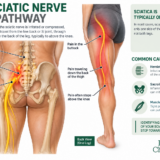
Spinal surgery is typically considered when there is structural instability, progressive neurological loss, or failure of conservative care over time. Common diagnoses that lead to surgical discussions include herniated discs, severe spinal stenosis, degenerative disc disease, spondylolisthesis, and chronic sciatica with confirmed nerve compression.
However, these conditions exist on a spectrum. Not every disc bulge requires surgery. Not every case of stenosis progresses. And not every patient with sciatica needs an operation. The key is determining whether your condition is mechanically driven and responsive to conservative care.
Step One: Get the Right Diagnosis
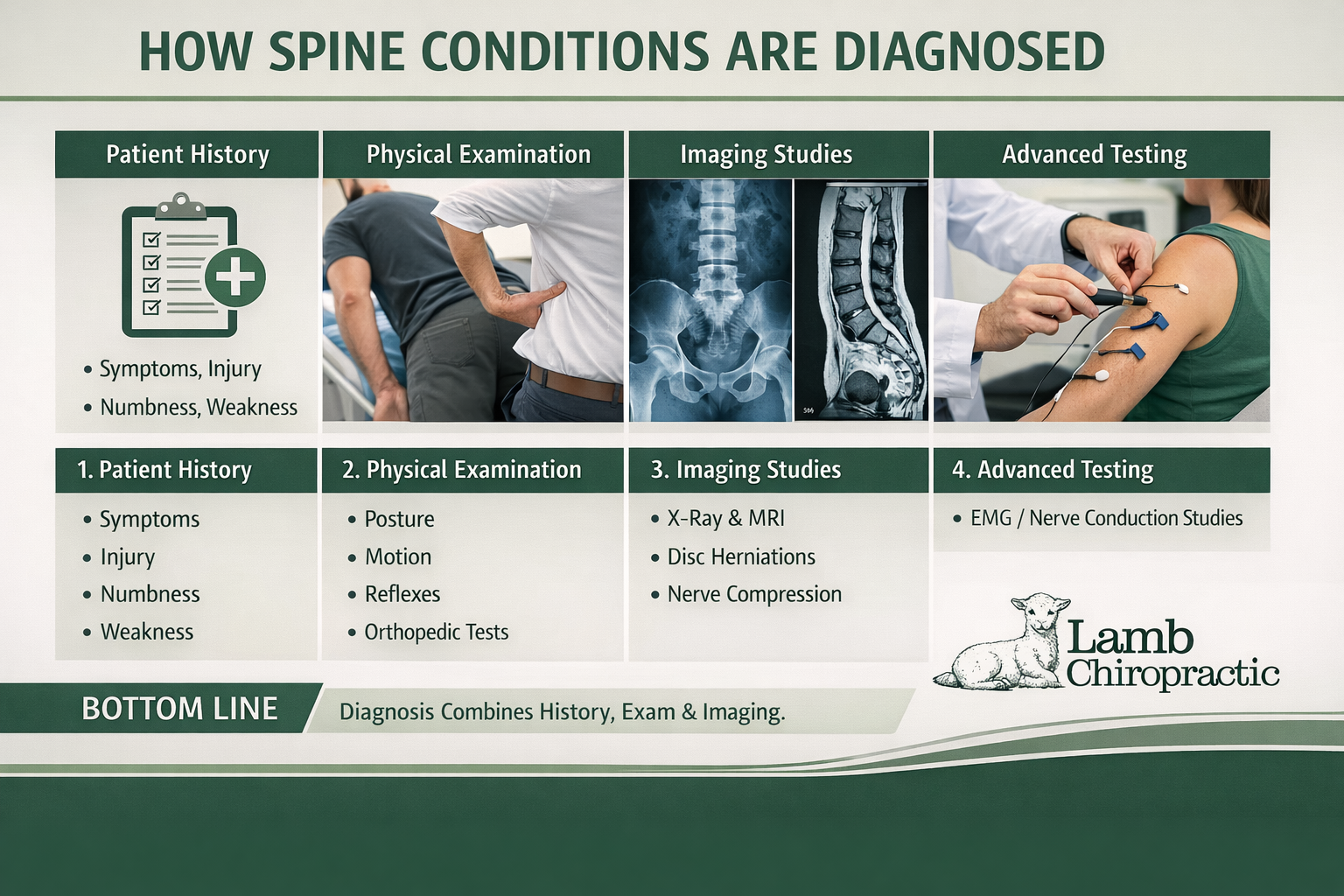
You cannot avoid spinal surgery if you do not know what you are treating. A proper evaluation includes:
X rays
X rays assess alignment, posture, and degenerative changes. They do not show discs directly but help rule out instability or fractures.
MRI
MRI is essential for visualizing disc bulges, herniations, nerve compression, and soft tissue involvement. If you suspect a disc issue, MRI is often the most important diagnostic tool.
CT scan
Used when MRI is not available or appropriate. CT focuses more on bone structures.
Neurological and orthopedic testing
Reflexes, muscle strength, sensation, and movement testing determine whether nerve involvement is present.
In our Midtown Manhattan practice, we combine imaging with hands on examination to determine whether conservative care is likely to succeed. Many NYC professionals sit long hours and develop disc pressure patterns that respond very well to decompression and corrective care.
Step Two: Reduce Disc and Nerve Pressure Conservatively
One of the most common reasons surgery is recommended is persistent nerve compression. When disc pressure remains elevated, inflammation increases and symptoms continue.
Conservative strategies that reduce mechanical pressure may include targeted traction, flexion distraction, specific chiropractic adjustments, and supportive therapies for surrounding tissue dysfunction.
When pressure decreases, inflammation settles and nerve irritation often improves.
When disc pressure decreases, inflammation reduces, and nerve irritation calms down. Many patients experience:
-
Less leg pain
-
Reduced numbness or tingling
-
Improved sitting tolerance
-
Better sleep
The goal is not just pain relief — it is restoring proper motion and reducing mechanical stress.
Step Three: Calm Inflammation Naturally
Surgery is sometimes recommended because pain becomes severe and unmanageable. However, pain is frequently driven by inflammation rather than structural damage alone.
Reducing inflammation through cold laser therapy, nutritional support, omega-3 supplementation, curcumin, proper hydration, and activity modification can significantly improve symptom tolerance and healing capacity.
When inflammation decreases, the body is better able to recover without invasive intervention.
Step Four: Strengthen the Spine Correctly
Avoiding spinal surgery is not just about passive treatment. Long-term success requires strengthening the structures that stabilize the spine.
Core endurance, glute activation, hip mechanics, and posture correction reduce recurring stress on the lumbar discs. The spine requires stability as much as mobility. When both are addressed, recurrence risk drops significantly.
Step Five: Modify Daily Habits
Sometimes the issue is not catastrophic — it is repetitive stress.
Common triggers:
-
Long hours sitting
-
Poor workstation ergonomics
-
Heavy lifting with flexion
-
Constant forward head posture
-
Lack of movement
Small daily corrections prevent escalation into surgical territory.
Step Six: Know When Surgery Is Actually Necessary
It is important to be honest.
Surgery may be appropriate if you have:
-
Progressive muscle weakness
-
Loss of bowel or bladder control
-
Severe neurological deficit
-
Structural instability that does not respond to care
But many disc herniations improve over time with proper conservative management.
Understanding Non Surgical Spinal Decompression
One of the most effective strategies for how to avoid spinal surgery involves reducing disc pressure. Non surgical spinal decompression methods aim to gently unload the spine to reduce compressive forces on discs and nerves.
From a clinical standpoint, decompression may help:
• Reduce sustained disc pressure
• Improve disc hydration and nutrient exchange
• Decrease nerve irritation
• Improve joint mobility
In simple terms, decompression gives your spine room to breathe.
For patients dealing with sciatica, bulging discs, or chronic lower back pain, reducing pressure without surgery is often the turning point.
Types of Non Surgical Spinal Decompression Methods
Traditional table based decompression
Patients lie flat and are secured with harnesses around the pelvis or torso. These systems can be effective but sometimes feel restrictive. Sessions often last 20 to 30 minutes plus setup time. Not everyone is a candidate for these tables.
Seated decompression systems
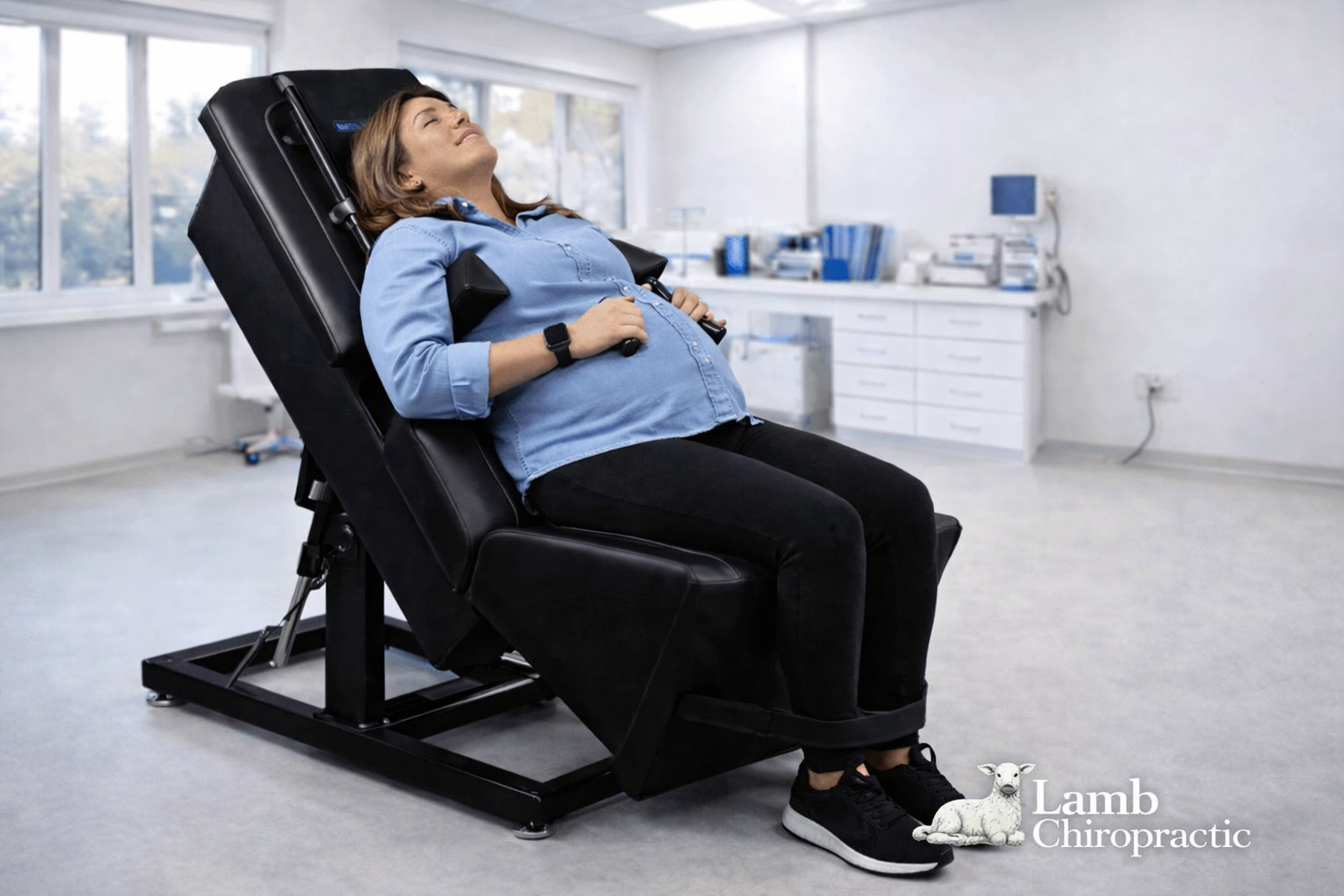
At Lamb Chiropractic, we use the Back on Trac system. Patients are seated upright in a supportive chair with padded stabilization at the shoulders and a light strap around the legs. There is no tight waist harness and no pressure across the abdomen. Many patients find it more comfortable and less intimidating than table based systems. Sessions are 12 minutes and easily tolerated by most.
Flexion distraction
A chiropractic technique that gently stretches and mobilizes the spine while the patient lies prone on a specialized table. Sometimes the tables are automatic, while others are manual. Dr. Lamb often combines manual stretching while the patient lies on an automatic table.
Home mobility tools
Curved lumbar stretch devices, yoga balls, wheels, posture pumps, and controlled traction tools may support daily decompression when used correctly.
If you want to learn more about our in office approach, explore our spinal decompression treatment in Midtown Manhattan.
How Decompression Helps You Avoid Spinal Surgery
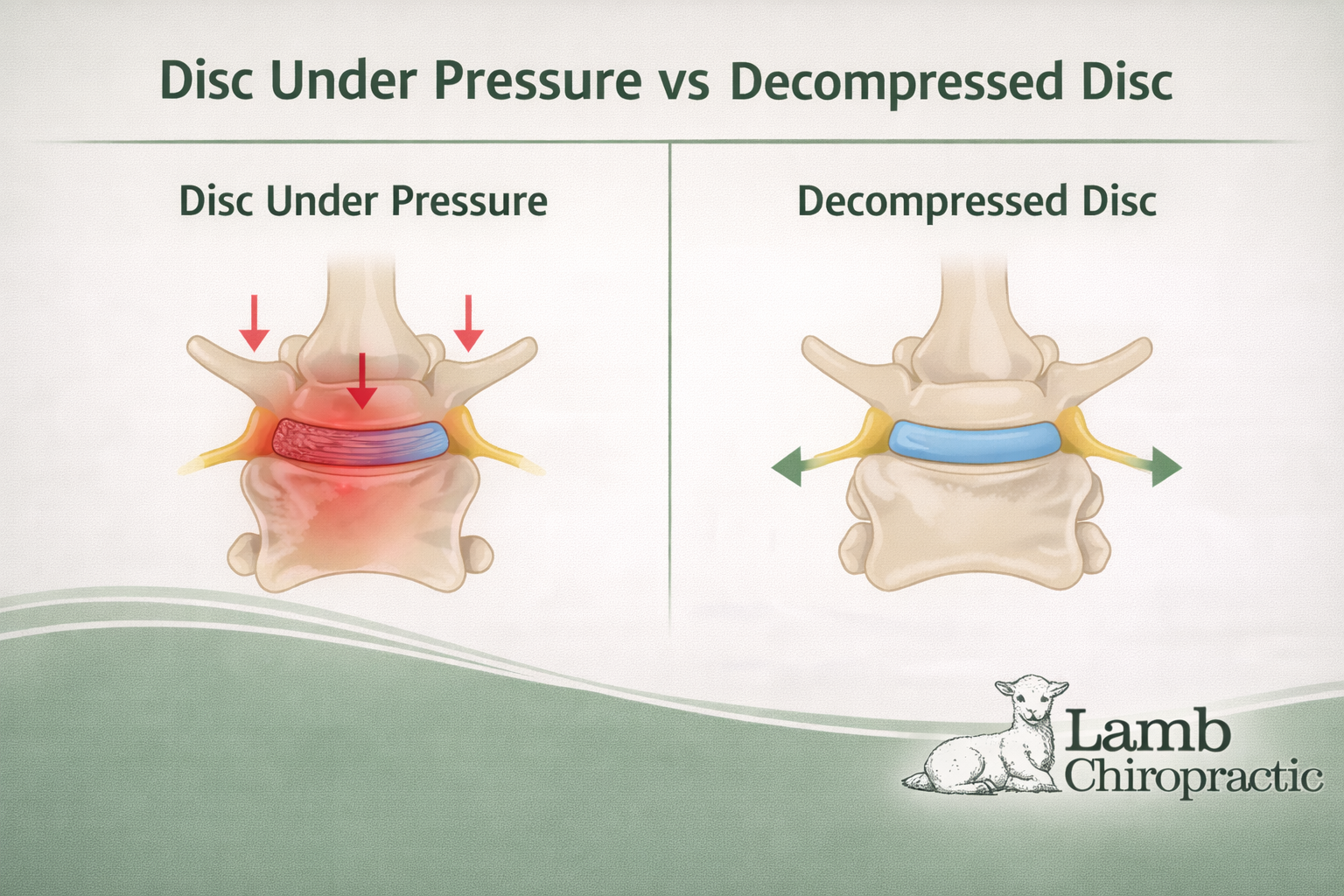
Disc injuries often worsen under constant compression. Sitting at a desk or in Manhattan traffic , long train and bumpy bus rides on MetroNorth, the LIRR, NJTransit or the MTA, and extended screen time all increase sustained lumbar loading.
By reducing compressive forces, decompression may:
• Reduce inflammation around irritated nerve roots
• Improve tolerance to standing and walking
• Decrease radiating leg pain
• Support tissue recovery over time
Many patients describe decompression as a gradual release rather than an aggressive stretch. Common descriptions include:
“It feels like pressure is finally lifting.”
“Like a slow, controlled reset.”
“My lower back feels lighter afterward.”
The goal is not force. It is controlled unloading that restores motion and reduces sustained compression.
When decompression is paired with corrective exercises and posture retraining, the likelihood of avoiding spinal surgery increases significantly.
Strengthening and Stability Matter
Avoiding spinal surgery is not just about passive treatments. Long term success requires strengthening the structures that support the spine.
Core stabilization exercises improve muscular endurance around the lumbar region. Glute activation reduces stress on the lower back. Thoracic mobility reduces compensatory strain.
For NYC professionals who work in finance, tech, and corporate environments, building resilience is critical. High income earners often want solutions that allow them to stay active and productive without long recovery periods.
Addressing Neck Pain Before It Progresses
Cervical disc issues can also lead to surgical discussions. Early intervention is key.
Home traction tools such as posture pump systems or over the door traction devices can be helpful when properly guided. However, neck symptoms that include tingling, numbness, or weakness should be evaluated first.
If you are experiencing persistent neck discomfort, review our neck pain treatment in Midtown Manhattan to explore conservative options before considering surgery.
When Conservative Care May Not Be Enough
To be clear, some cases do require surgical consultation. Progressive neurological deficits, loss of bowel or bladder control, or severe instability demand immediate medical evaluation.
The goal is not to avoid surgery at all costs. The goal is to exhaust appropriate conservative care when it is safe and clinically reasonable.
For a general overview of spinal anatomy and disc mechanics, you can read this article on herniated discs.
In a city like New York, time matters. Many patients tell us they want:
• A non invasive approach
• Shorter recovery time
• Minimal disruption to work
• A solution that fits into a busy schedule
Seated decompression systems such as Back on Trac allow sessions to be efficient and comfortable. Patients can often return to work immediately afterward.
Avoiding spinal surgery is not just about medical safety. It is also about preserving momentum in your career and lifestyle.
Pregnancy and Avoiding Spinal Surgery
Pregnancy places unique and progressive stress on the spine. As the baby grows, a woman’s center of gravity shifts forward, the lumbar curve often increases, abdominal muscles stretch, and the hormone relaxin loosens ligaments throughout the pelvis and spine. These changes are normal and necessary for childbirth, but they can significantly increase mechanical stress on the lower back, sacroiliac joints, and discs. It is common for pregnant women to experience lower back pain, sciatica-like symptoms, pelvic instability, and mid-back tension as pregnancy progresses.
Spinal decompression has traditionally not been recommended during pregnancy, largely because standard table systems use pelvic harnesses and supine positioning that are not appropriate for pregnant patients. Additionally, excessive traction forces are avoided to protect maternal and fetal safety. *The Back on Trac decompression table offers an option for many of these women as it very gentle and does not put the mother-to-be or baby in any real danger.
For pregnant patients with disc-related symptoms, care focuses on modified chiropractic adjustments, side-lying positioning, pelvic stabilization, and soft tissue support. After delivery, spinal decompression may be appropriate if symptoms persist and proper screening is performed.
Specialized pregnancy tables and cushions allow for safe positioning that protects both mother and baby. The goal during pregnancy is not aggressive structural correction, but rather comfort, stability, nervous system support, and maintaining optimal biomechanics as the body adapts.
Sometimes, women don’t have excessive lower back pain during their pregnancy, but find that it begins after delivery. At this point, many mothers dealing with persistent disc bulges, herniations, or chronic lower back pain that developed during pregnancy often choose to do a course of spinal decompression. The Back On Trac is a great option postpartum, as decompression can help gently reduce disc pressure and support healing in a controlled environment.
For more information, check out our article on back pain during pregnancy.
Decompression for Dogs (Yes, Dogs)

Animal chiropractic care is becoming increasingly popular and there are various methods that some chiropractors get specific training in, often working together with Veterinarians.
Intervertebral disc disease (IVDD) is one of the most common spinal conditions seen in dogs, especially in chondrodystrophic breeds such as Dachshund, French Bulldog, Corgi, Beagle, and Shih Tzu. In these breeds, the discs can degenerate early in life, making them more prone to sudden herniation.
When a lumbar disc herniates in a dog, the inner disc material pushes backward into the spinal canal. Because the spinal canal in dogs is relatively narrow, even a small extrusion can significantly compress the spinal cord. This compression can cause:
• Pain when picked up or touched
• Reluctance to jump or climb stairs
• Weakness in the hind legs
• Knuckling or dragging paws
• Loss of bladder or bowel control
• Partial or complete hind limb paralysis
The severity depends on how much pressure is placed on the spinal cord and how quickly it occurs.
While spinal decompression in veterinary medicine typically refers to surgery, conservative care may be appropriate in select cases. Dr. Lamb has experience working with canine patients in collaboration with veterinarians, providing gentle veterinary chiropractic adjustments, manual lumbar traction, cold laser therapy, and rehabilitation techniques. When carefully selected and performed conservatively, these approaches may help reduce discomfort, improve mobility, and support recovery in dogs with disc-related conditions. Proper evaluation and veterinary co-management are always essential.
Frequently Asked Questions
Q: How can I avoid spinal surgery for a herniated disc?
A: Many herniated discs respond to non surgical spinal decompression methods, chiropractic care, mobility exercises, and postural correction. Proper diagnosis and consistent conservative treatment significantly increase the likelihood of avoiding spinal surgery.
Q: Does spinal decompression really work?
A: Spinal decompression may help reduce disc pressure and nerve irritation when appropriately selected. It is most effective when combined with strengthening and lifestyle modification.
Q: How long should I try conservative care before considering surgery?
A: Many providers recommend several weeks to months of structured conservative care before surgery is considered, unless there are emergency neurological symptoms.
Q: Can sciatica improve without surgery?
A: Yes. Many cases of sciatica related to disc pressure improve with decompression, chiropractic care, and corrective exercises.
Q: Is spinal decompression safe?
A: When performed after proper screening and diagnosis, decompression is generally safe. It should be paused if symptoms worsen significantly or new neurological deficits appear.
Q: What if my MRI shows a disc bulge?
A: Disc bulges are common and do not automatically require surgery. Treatment decisions should be based on symptoms, clinical findings, and functional limitations.
Ready to Explore a Conservative Path
If you are searching for how to avoid spinal surgery, the most important step is a precise diagnosis and a structured plan. Not every disc bulge requires an operation. Not every case of sciatica demands injections. Many spine conditions respond remarkably well to properly selected conservative care.
In a city like New York, where time is limited and surgical consultations are common, it is critical to explore evidence-based non surgical options first. When disc pressure is reduced, inflammation is controlled, and stability is restored, the need for surgery often decreases dramatically.
Our approach is simple: diagnose accurately, reduce mechanical stress, strengthen intelligently, and build long-term resilience.
If you are dealing with persistent back pain, disc symptoms, or nerve irritation in Midtown Manhattan, schedule a comprehensive evaluation to determine whether non surgical spinal decompression and corrective care are appropriate for you.
Before committing to surgery, make sure you have explored every reasonable conservative option.
Looking for a disc specialist near you? Book your appointment today and take the first step toward a healthier, pain-free future!
Send us a message if you have any questions or would like to schedule your first chiropractic visit at Lamb Chiropractic in New York, NY!
Phone 212-883-8700
Email lambchiro@gmail.com
IG @lambchiro