
How Antibodies and Immune Memory Work: A Simple Explanation of Immunology
How Antibodies and Immune Memory Work
A Simple, Educational Guide to Immunology
Disclaimer: This post is for educational purposes only and is not meant to persuade any individual to do anything in particular.
Over the past several years, many people have become more familiar with medical and scientific terms that were once rarely discussed outside of textbooks. Concepts like immunity, antibodies, and immune memory are now part of everyday conversation. Understanding how antibodies work can help clarify what actually happens inside the body when we are exposed to viruses or other foreign substances.
This article provides a basic, educational overview of immunology and how the immune system responds to exposure—without offering medical advice or recommendations.
What Happens When Your Body Is Exposed to a Virus?
When the body encounters a virus or other foreign substance—known as an antigen—the immune system begins what is called a primary immune response.
This response is designed to identify the invader, slow its spread, and eventually eliminate it.
The Role of B Lymphocytes
One of the key players in this process is a type of white blood cell called a B lymphocyte (or B cell). These cells are produced in the bone marrow and respond directly to antigens.
Once activated, B lymphocytes differentiate into two important cell types:
-
Plasma cells
-
Memory B cells
Both play distinct but complementary roles in immune protection.
How Antibodies Are Produced
Plasma Cells and Antibody Production
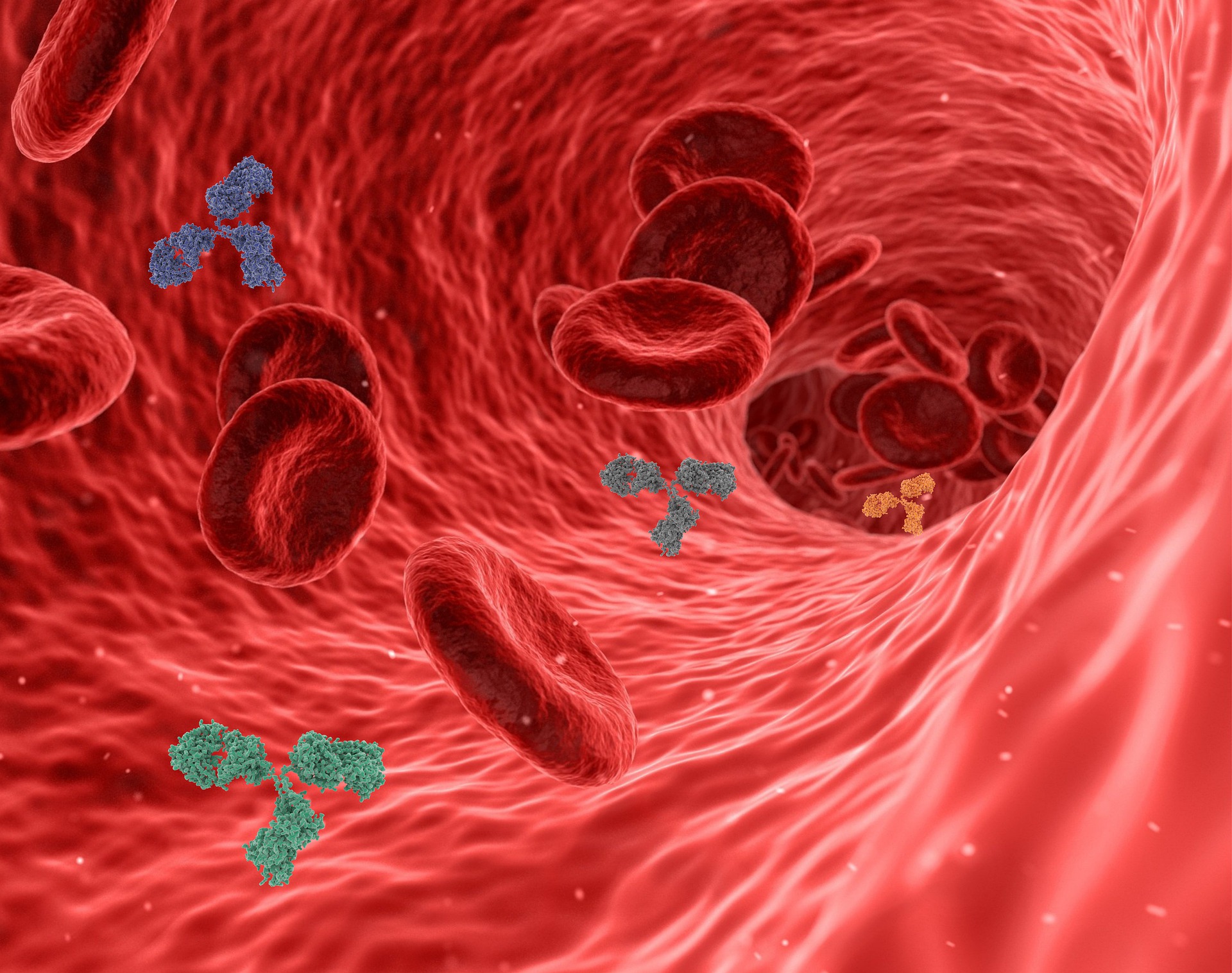
Some activated B cells become plasma cells, which produce antibodies specific to the antigen that triggered the immune response.
Antibodies work by:
-
Binding to the virus
-
Blocking its ability to infect healthy cells
-
Marking it for destruction by other immune cells
It typically takes several days to about two weeks for antibody levels to build up to a point where symptoms begin to resolve. This timing explains why many viral illnesses last anywhere from a few days to a couple of weeks.
Why Antibodies Eventually Decline
Once the immune system has neutralized the virus and recovery is complete, high levels of circulating antibodies are no longer necessary.
Over time:
-
Antibody levels naturally decrease
-
They may become undetectable on blood tests within weeks or months
This decline is normal and expected and does not indicate a weakened immune system.
Immune Memory: The Body’s Long-Term Defense System
What Are Memory B Cells?
The second type of cell produced by activated B lymphocytes is the memory B cell. These cells store information about the specific antigen encountered.
Memory B cells:
-
Remain in the body long-term
-
“Remember” past infections
-
Enable faster and stronger responses to future exposures
The Role of T Cells in Immunity
In addition to B cells, the immune system relies heavily on T lymphocytes (T cells) to coordinate and carry out immune responses. T cells develop in the thymus and help identify and manage infected or abnormal cells. Helper T cells act like team leaders, sending signals that tell other immune cells—including B cells—when to activate and produce antibodies. Cytotoxic T cells function like a cleanup crew, directly finding and destroying cells that have been infected by viruses. Regulatory T cells serve as the system’s brakes, helping prevent the immune response from becoming excessive and damaging healthy tissue. Together, T cells help organize the immune response, maintain balance, and ensure the body reacts quickly and appropriately to future threats.
How Immune Memory Protects You in the Future
If the body encounters the same antigen again, memory B cells quickly signal for new plasma cells to produce antibodies.
This secondary immune response is:
-
Faster
-
Stronger
-
Often prevents illness entirely
Because of this rapid response, the invading organism usually does not have time to gain a foothold or cause noticeable symptoms.
Importantly, there is no known limit to how many times memory B cells can respond to the same antigen.
Antibody Testing vs. Immune Strength
Antibody tests only measure current antibody levels, not immune memory.
This means:
-
Someone may test positive or negative at different times
-
Results reflect recent exposure, not overall immunity
-
Low or absent antibodies do not necessarily indicate poor immune function
Immune memory, not circulating antibodies alone, is the key factor in long-term protection.
Natural Exposure and Vaccination: How the Immune Response Works
Whether exposure occurs:
-
Naturally (through infection), or
-
Artificially (through vaccination),
the immune system responds by activating B cells and creating antibodies and memory cells.
Both pathways are designed to train the immune system to recognize specific antigens. Individual circumstances, health history, and risk factors may influence medical recommendations, which should always be discussed and studied before making a personal decision.
Frequently Asked Questions (FAQs)
How antibodies work to fight viruses?
Antibodies bind to specific antigens, helping neutralize viruses and marking them for removal by the immune system.
Why do antibodies disappear after illness?
Once the infection is cleared, the body reduces antibody production because they are no longer needed in high amounts.
Does a negative antibody test mean no immunity?
No. Immune memory cells can still provide protection even when antibodies are not detectable.
What is immune memory?
Immune memory is the ability of memory B cells to recognize and respond rapidly to previously encountered antigens.
How long does immune memory last?
Immune memory can last for years or longer, depending on the pathogen and individual immune response.
Key Takeaway
Understanding how antibodies work helps clarify why antibody levels rise and fall, why immune memory matters more than a single test result, and how the immune system protects the body over time. Immunology is complex, but the core principle is simple: the immune system learns, adapts, and remembers.